Many, many decades ago, during an extended economic calamity, legions of displaced souls, mostly men, wandered the nation, chasing work, food, shelter … any remnants of their humanity.
They’d ride the rails, hitchhike, tramp the long roads of America. When they came to a new town they wanted the dope: friendly, welcoming. open-hearted; or more likely: mean sheriff, fierce dogs, little affordable food, too many dark eyes under slanted fedoras, too many sprawling shadows within which anything could happen.
Men before them scrawled images of information on posts and bridges, carved into trees, slapdashed with paint: so-called hobo signs alerting the men about what to expect.
In the 2020s, New York City’s outdoor walls, doorways, billboards, placards, and windows bloom with scrawls, meanings not often clear, exactly whom they’re for elusive.
But there they are.
This photobook, Hobo Signs, records these contemporary oft-mysterious signs, and pairs them with oft-inscrutable images.
What news does this book bring? What promises? What warnings?
The codes are all around us, teasing, taunting, trembling with meaning. They ask only one question: Can we decode them in time?
Many, many decades ago, during an extended economic calamity, legions of displaced souls, mostly men, wandered the nation, chasing work, food, shelter … any remnants of their humanity.
They’d ride the rails, hitchhike, tramp the long roads of America. When they came to a new town they wanted the dope: friendly, welcoming. open-hearted; or more likely: mean sheriff, fierce dogs, little affordable food, too many dark eyes under slanted fedoras, too many sprawling shadows within which anything could happen.
Men before them scrawled images of information on posts and bridges, carved into trees, slapdashed with paint: so-called hobo signs alerting the men about what to expect.
In the 2020s, New York City’s outdoor walls, doorways, billboards, placards, and windows bloom with scrawls, meanings not often clear, exactly whom they’re for elusive.
But there they are.
This photobook, Hobo Signs, records these contemporary oft-mysterious signs, and pairs them with oft-inscrutable images.
What news does this book bring? What promises? What warnings?
The codes are all around us, teasing, taunting, trembling with meaning. They ask only one question: Can we decode them in time?

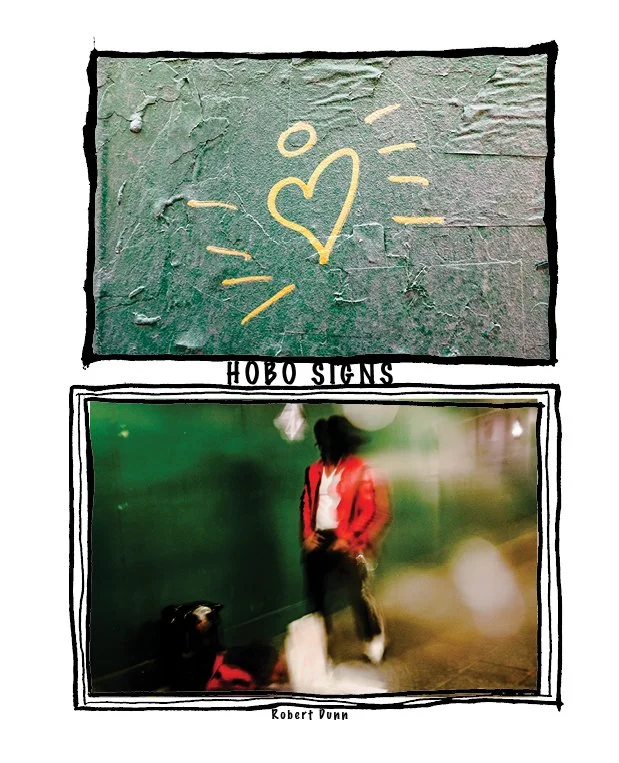 Image 1 of 65
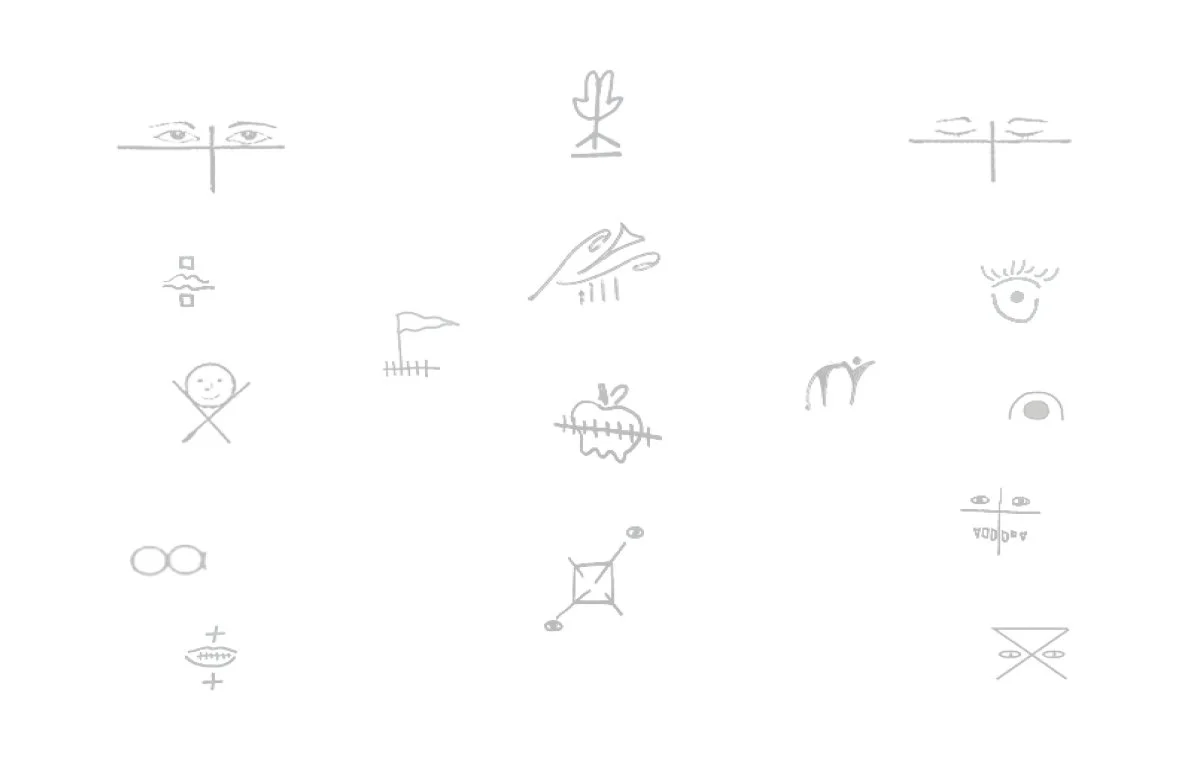 Image 2 of 65
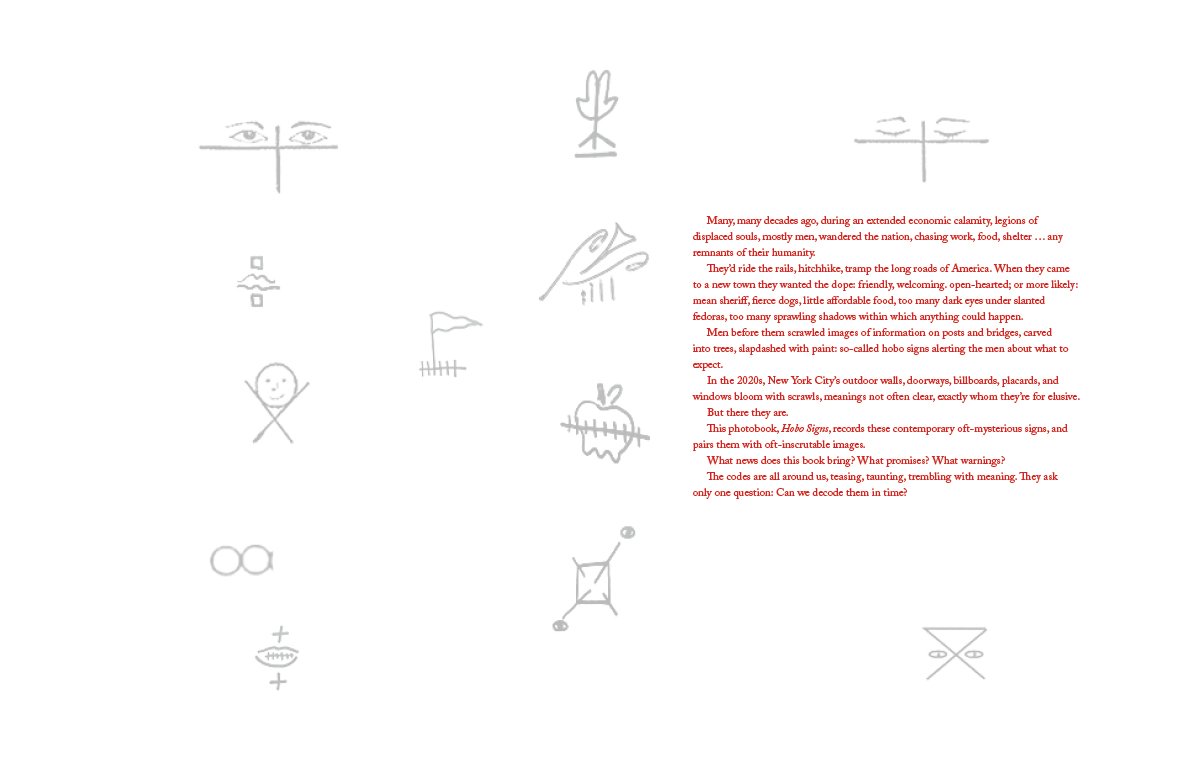 Image 3 of 65
 Image 4 of 65
 Image 5 of 65
 Image 6 of 65
 Image 7 of 65
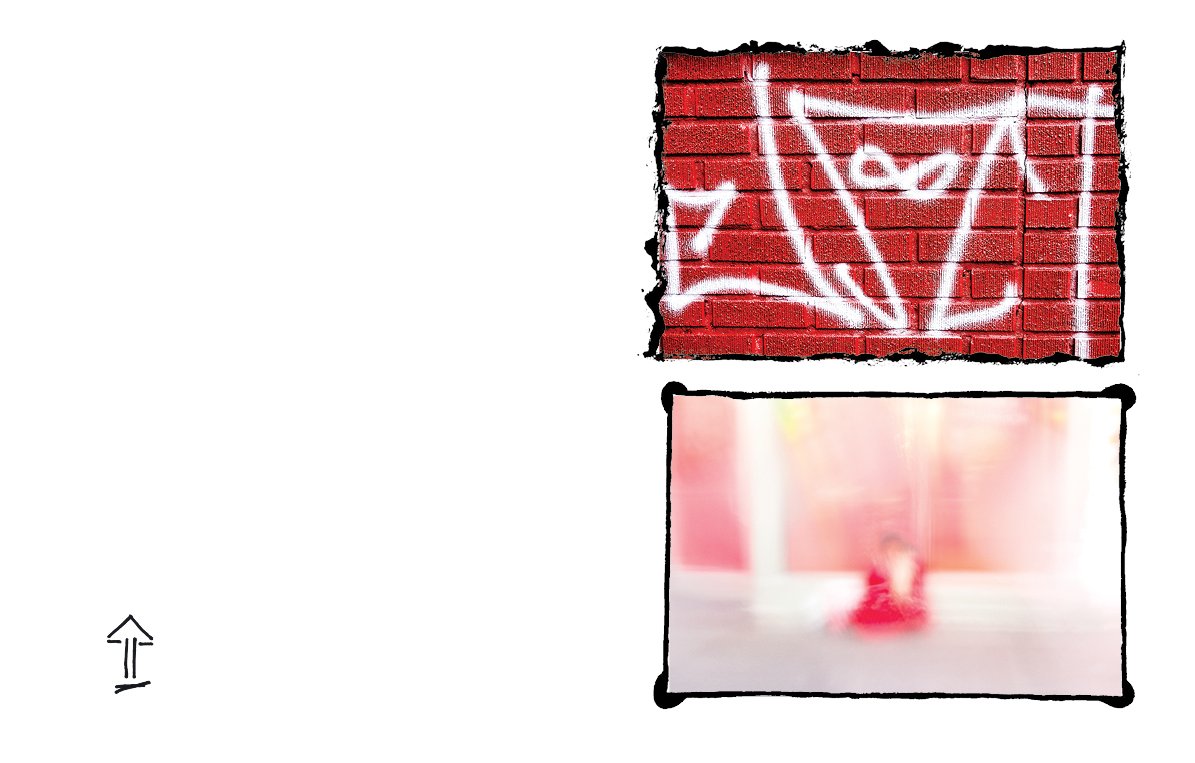 Image 8 of 65
 Image 9 of 65
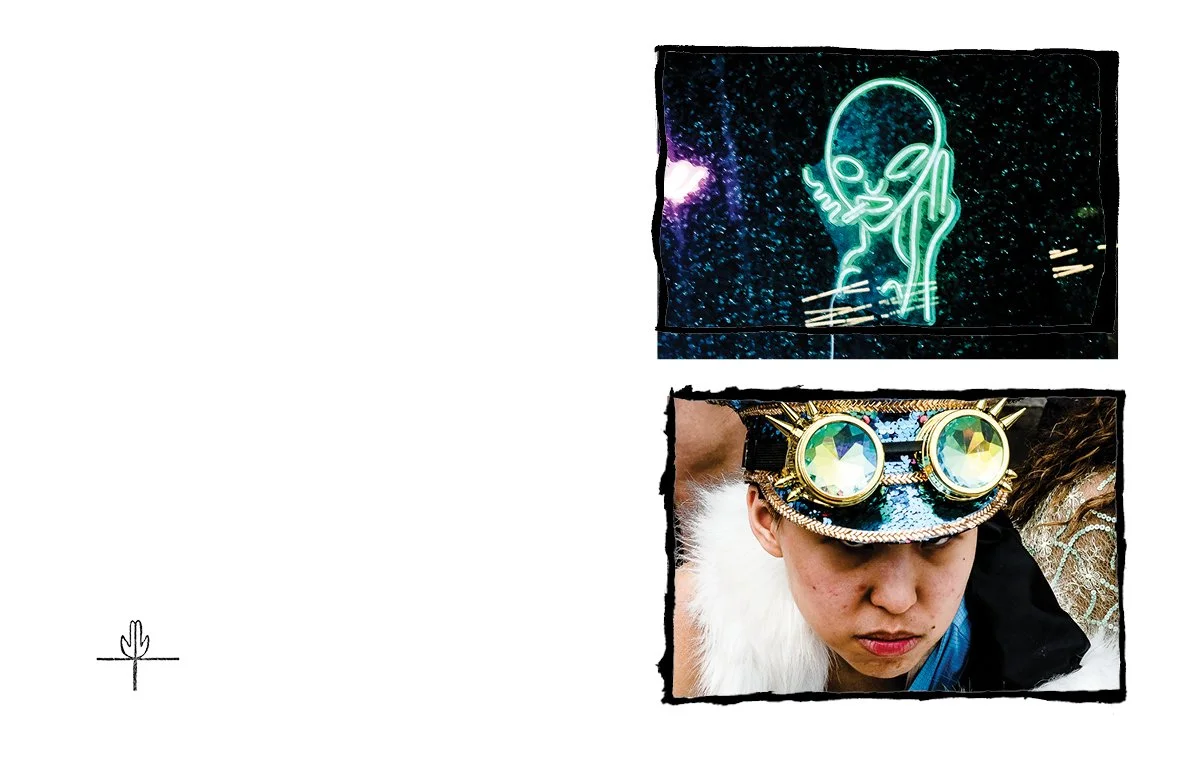 Image 10 of 65
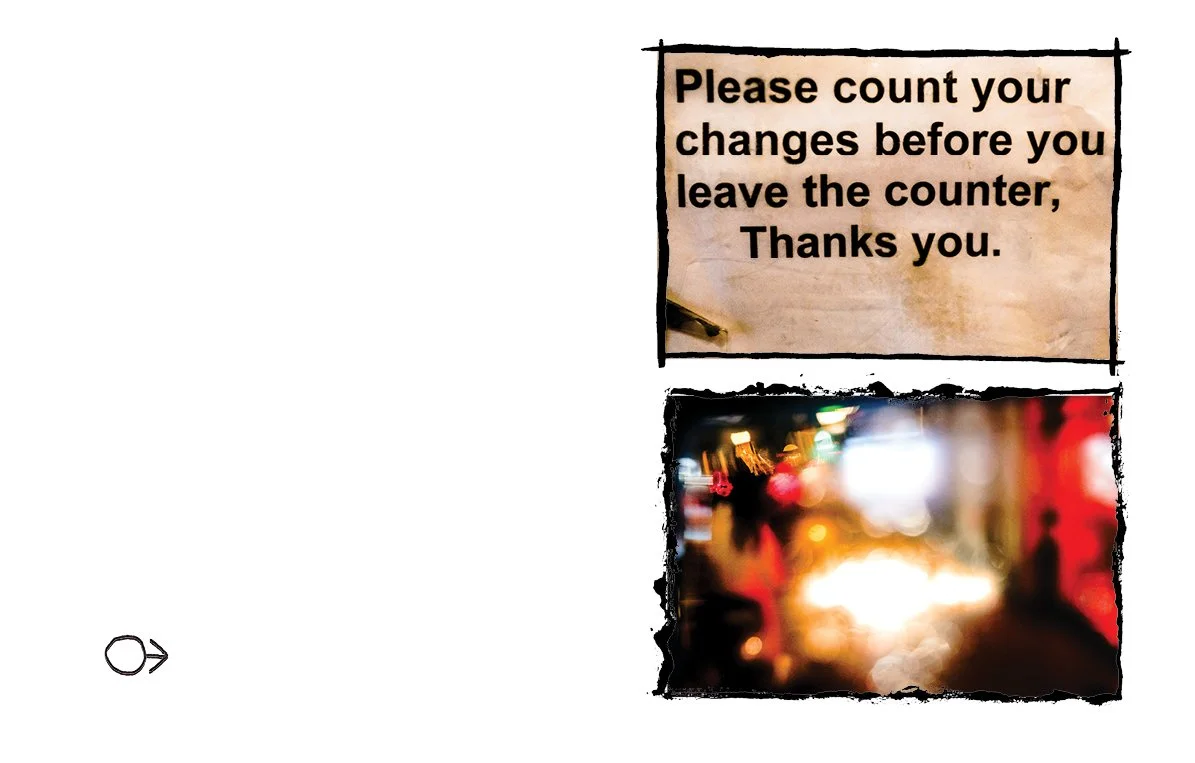 Image 11 of 65
 Image 12 of 65
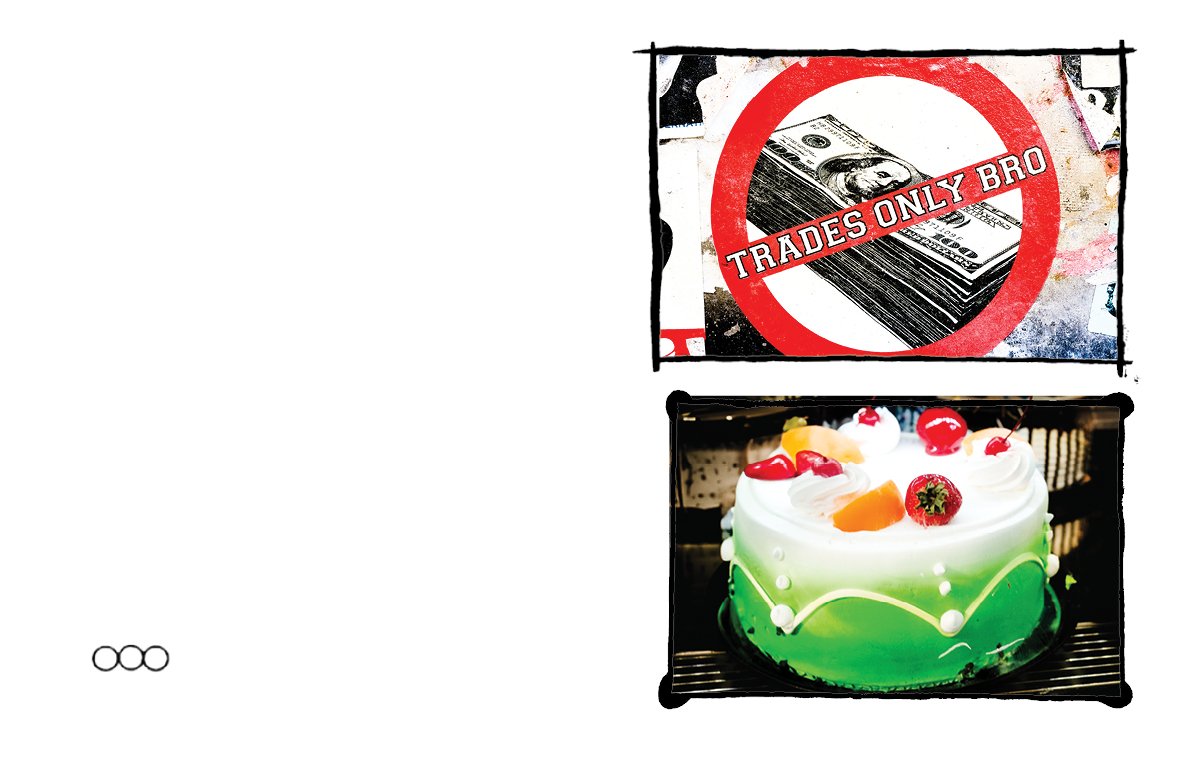 Image 13 of 65
 Image 14 of 65
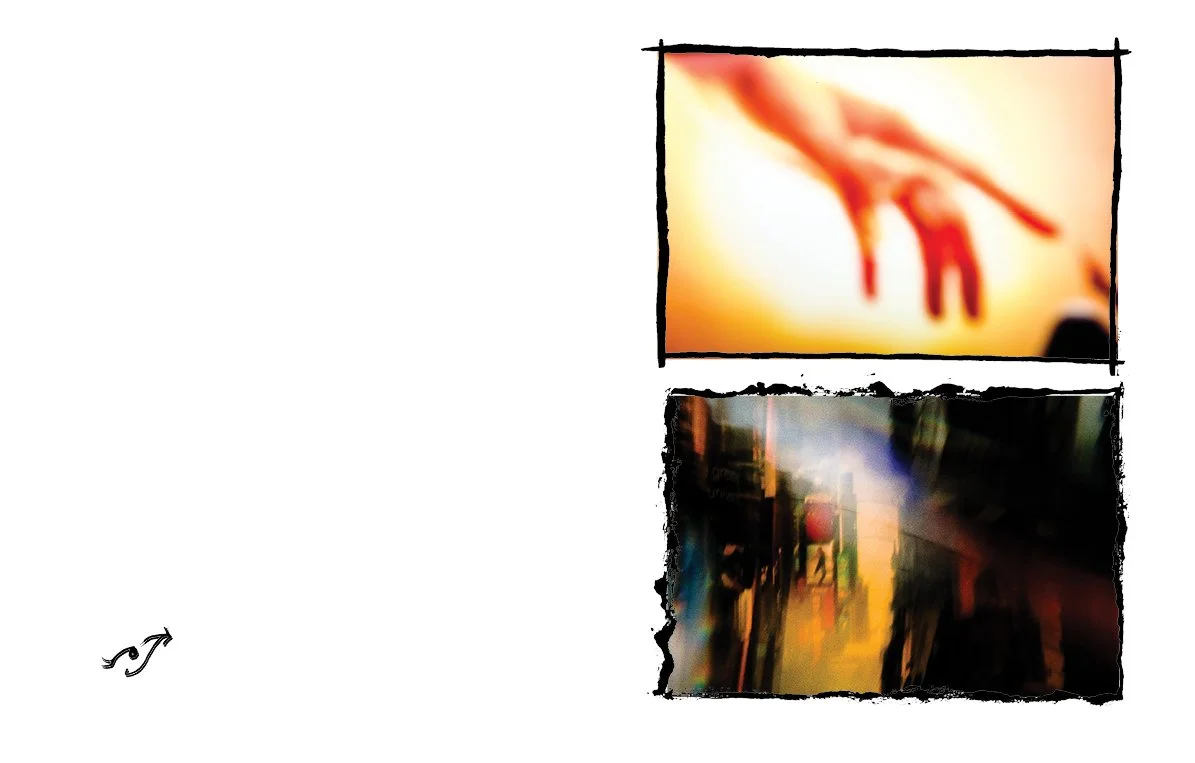 Image 15 of 65
 Image 16 of 65
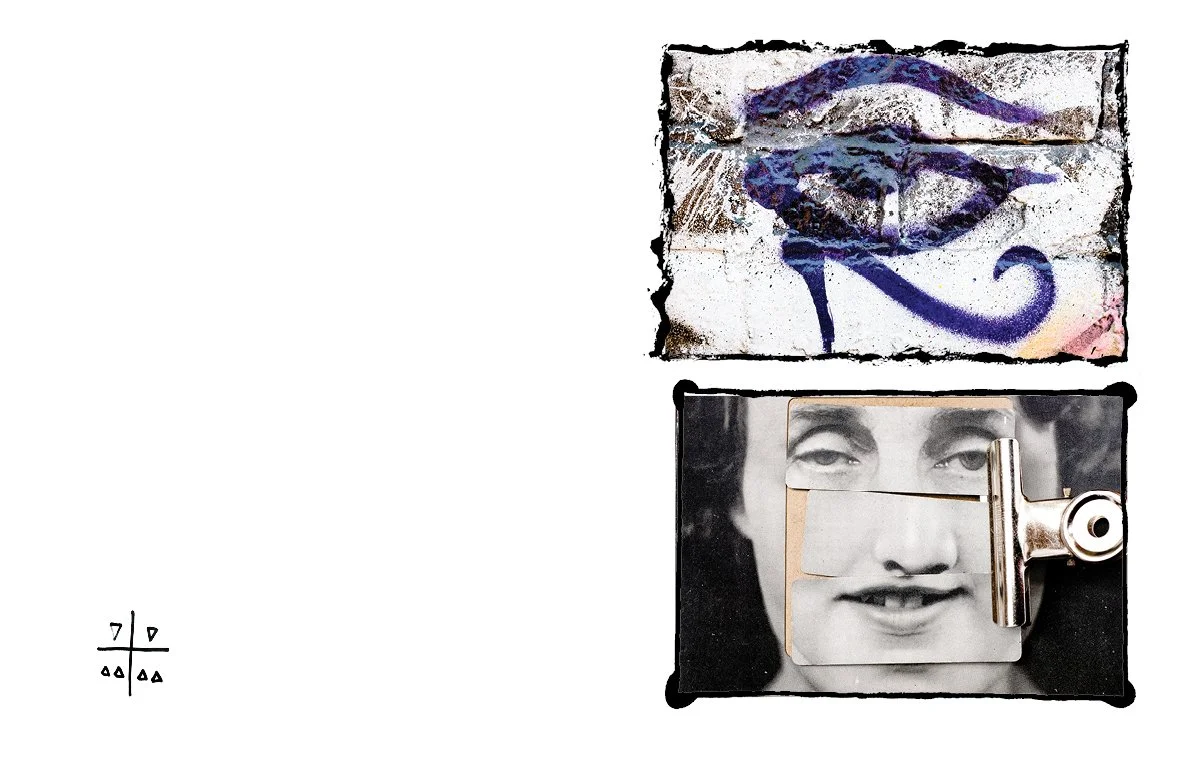 Image 17 of 65
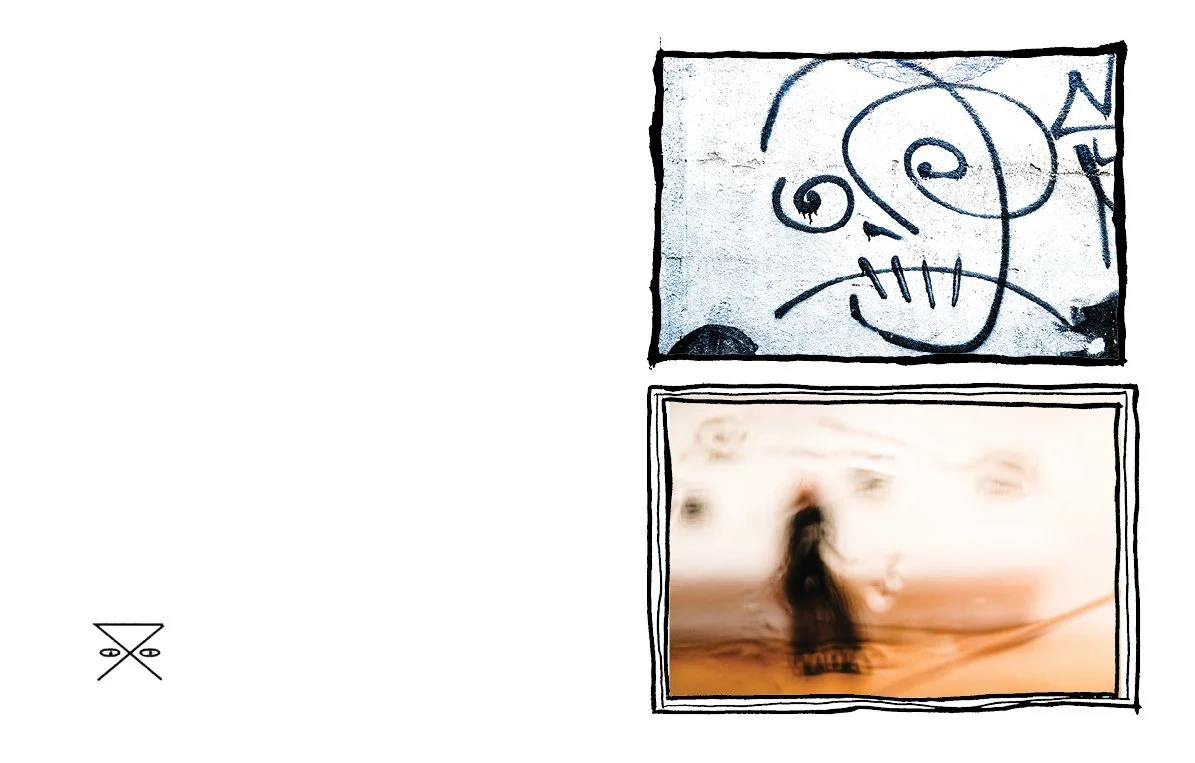 Image 18 of 65
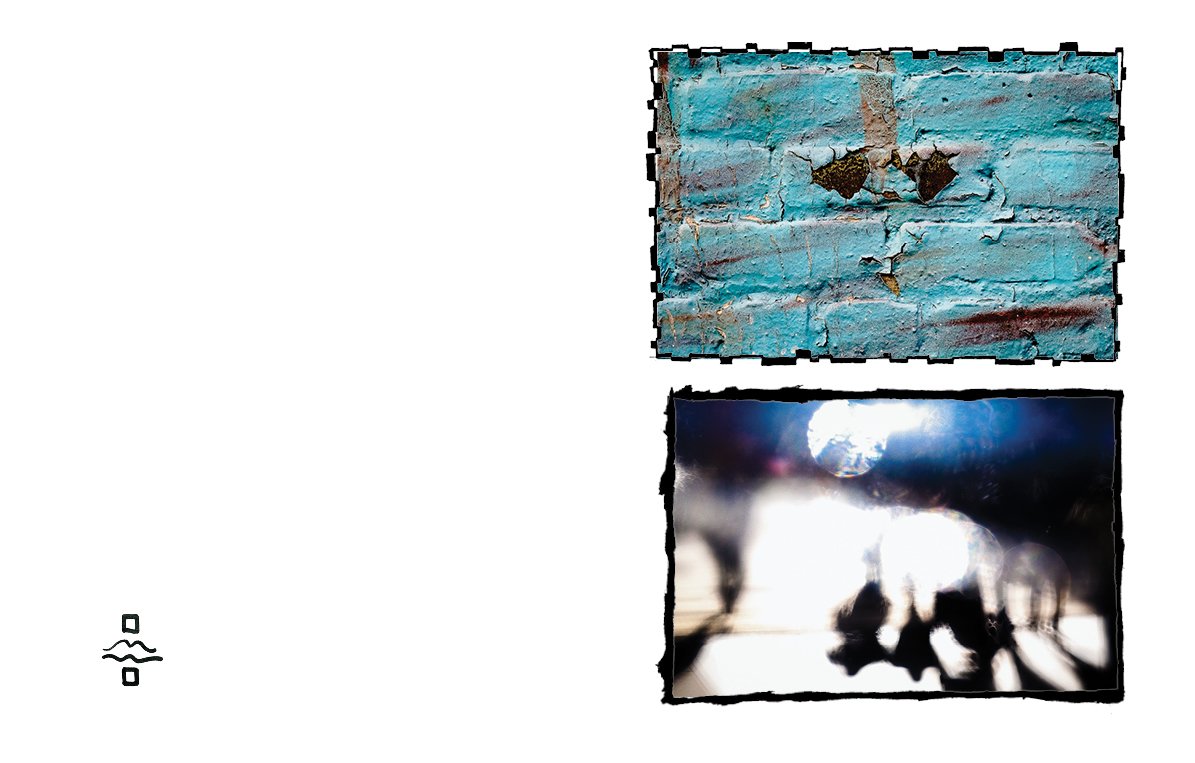 Image 19 of 65
 Image 20 of 65
 Image 21 of 65
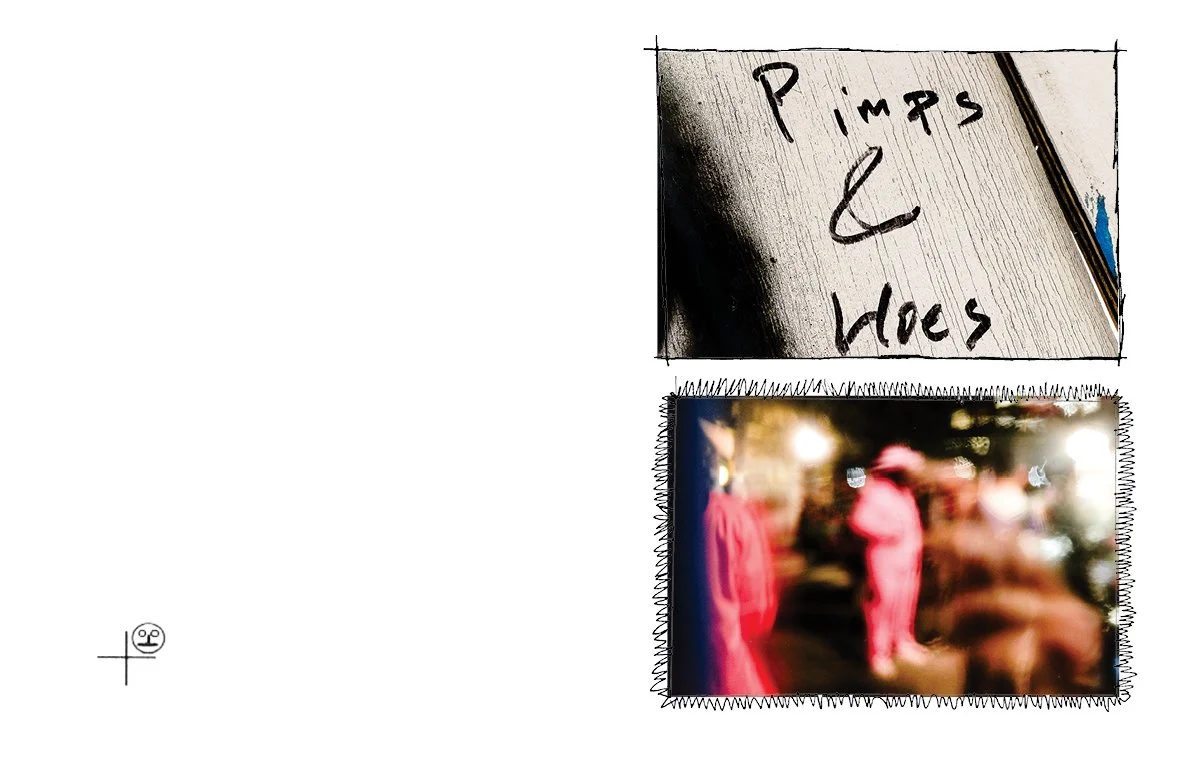 Image 22 of 65
 Image 23 of 65
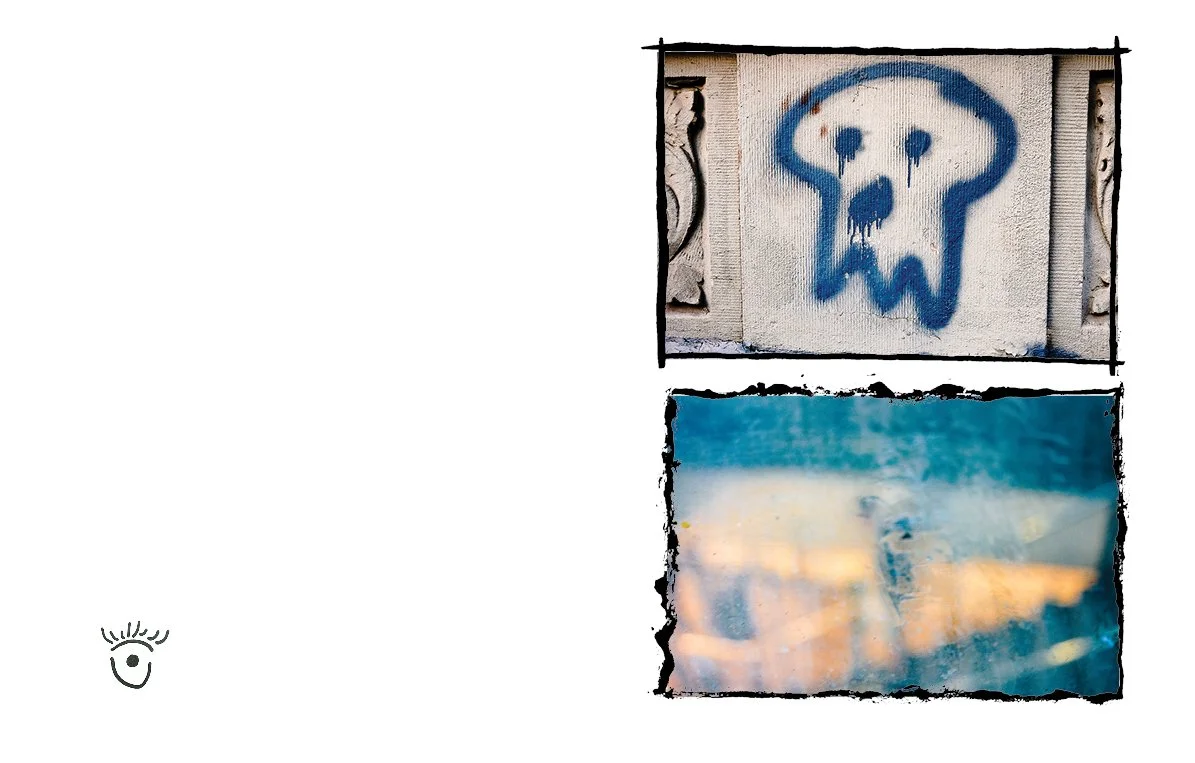 Image 24 of 65
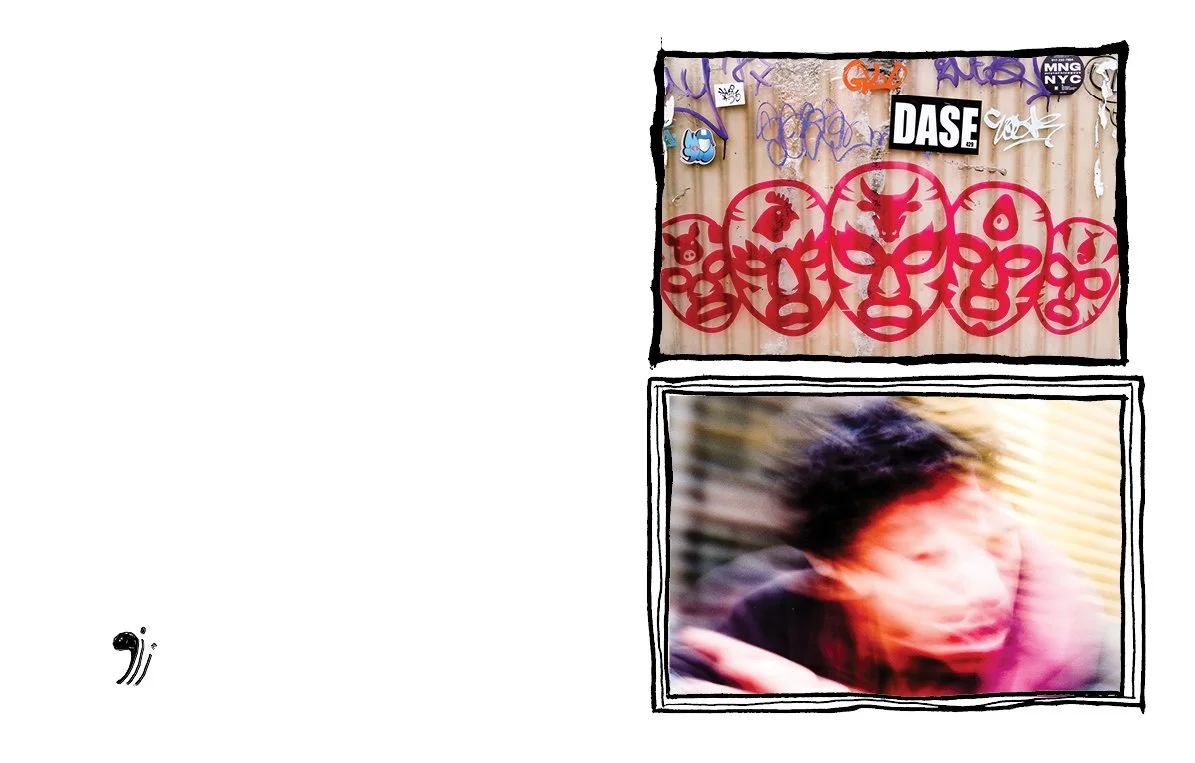 Image 25 of 65
 Image 26 of 65
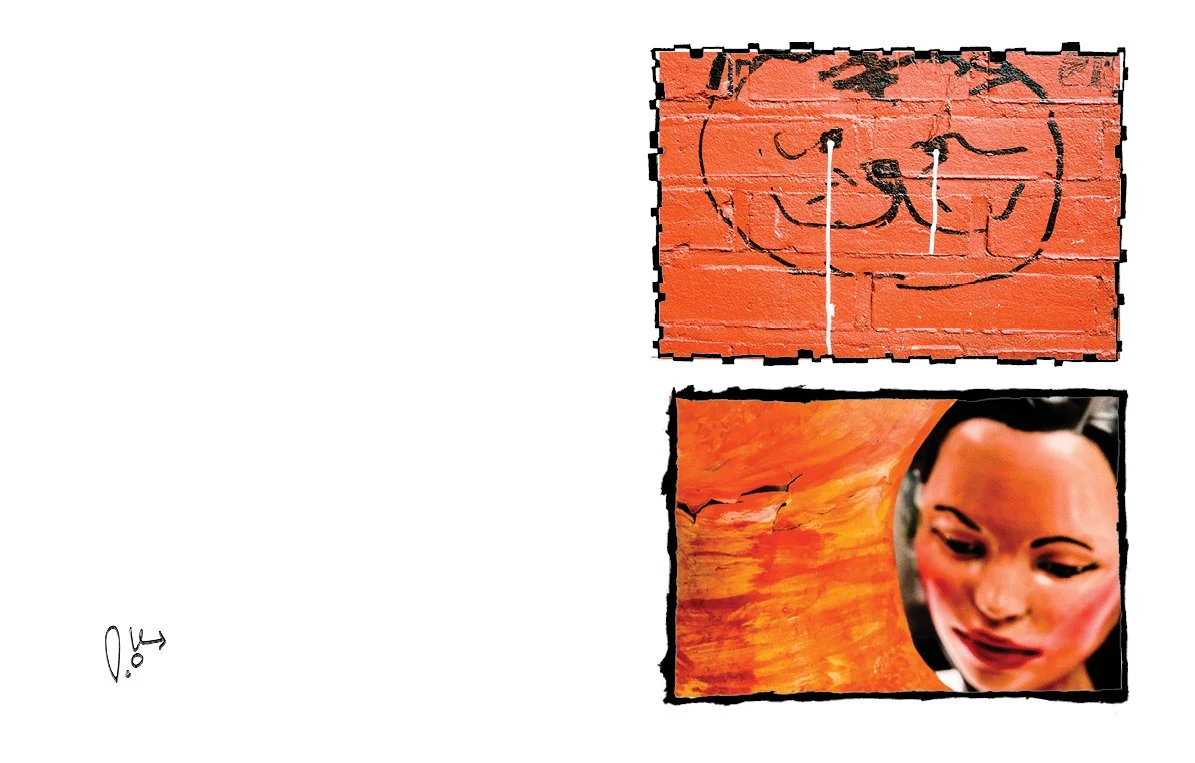 Image 27 of 65
 Image 28 of 65
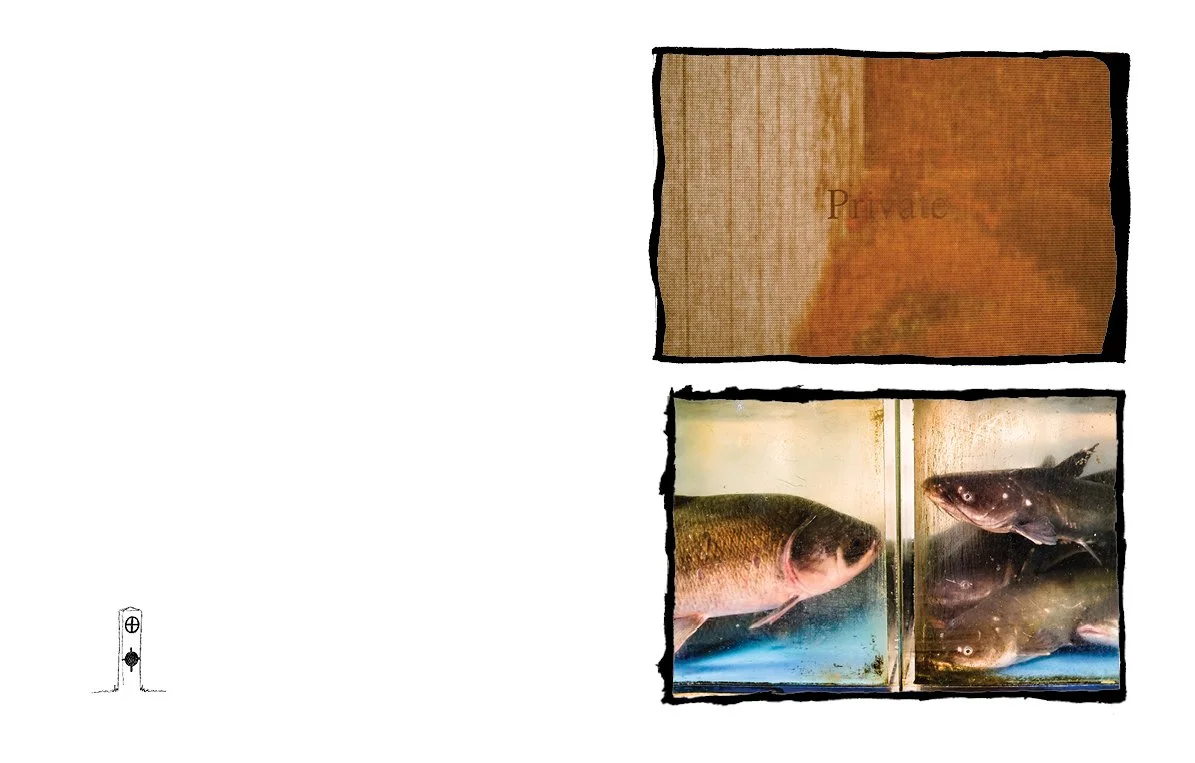 Image 29 of 65
 Image 30 of 65
 Image 31 of 65
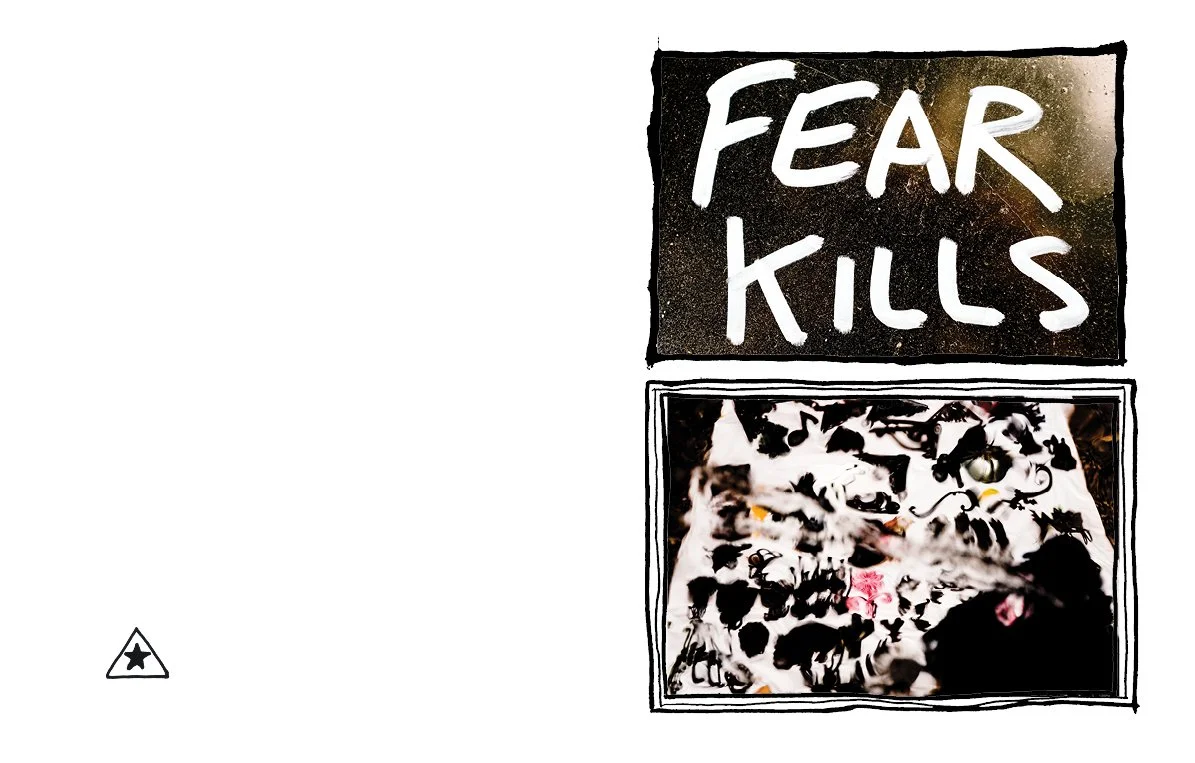 Image 32 of 65
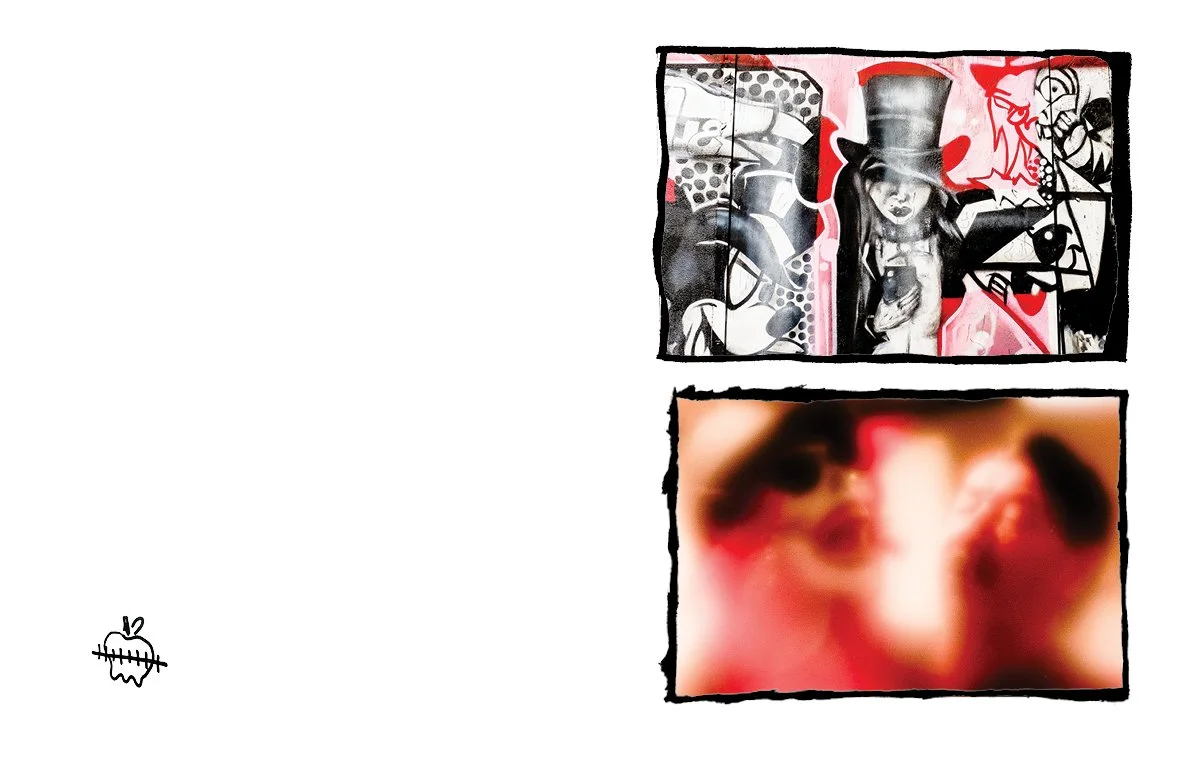 Image 33 of 65
 Image 34 of 65
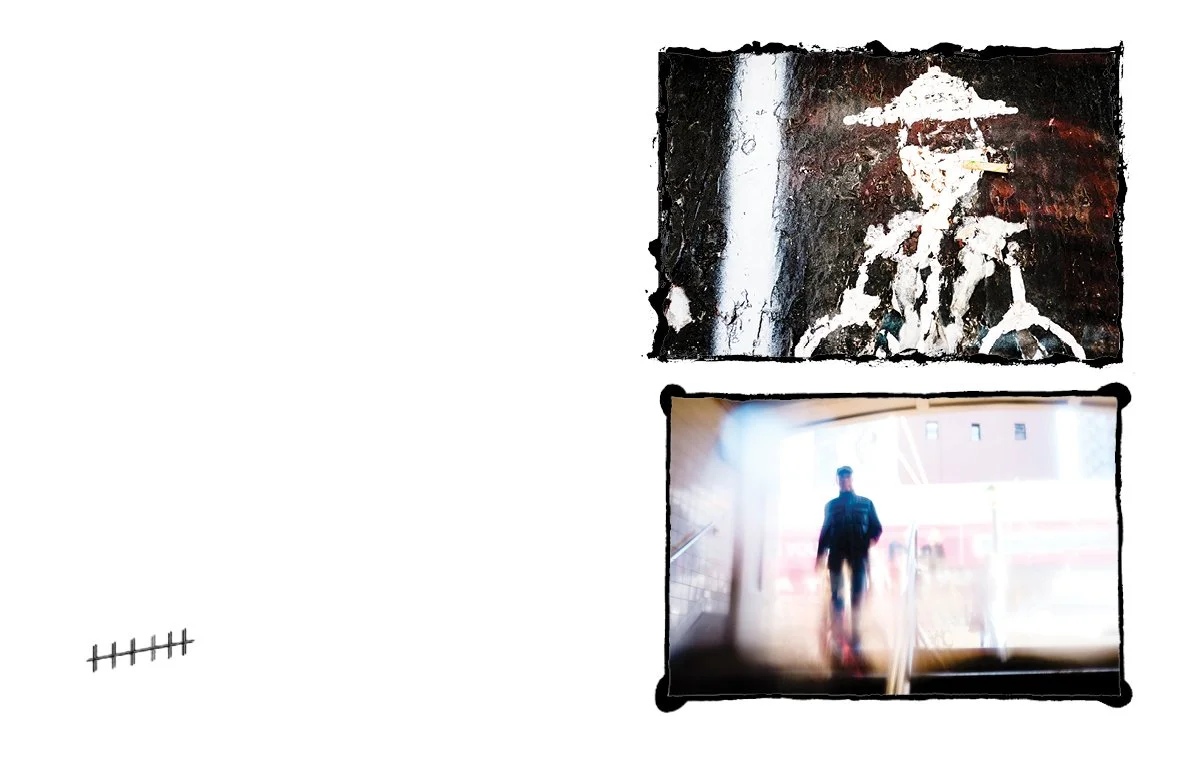 Image 35 of 65
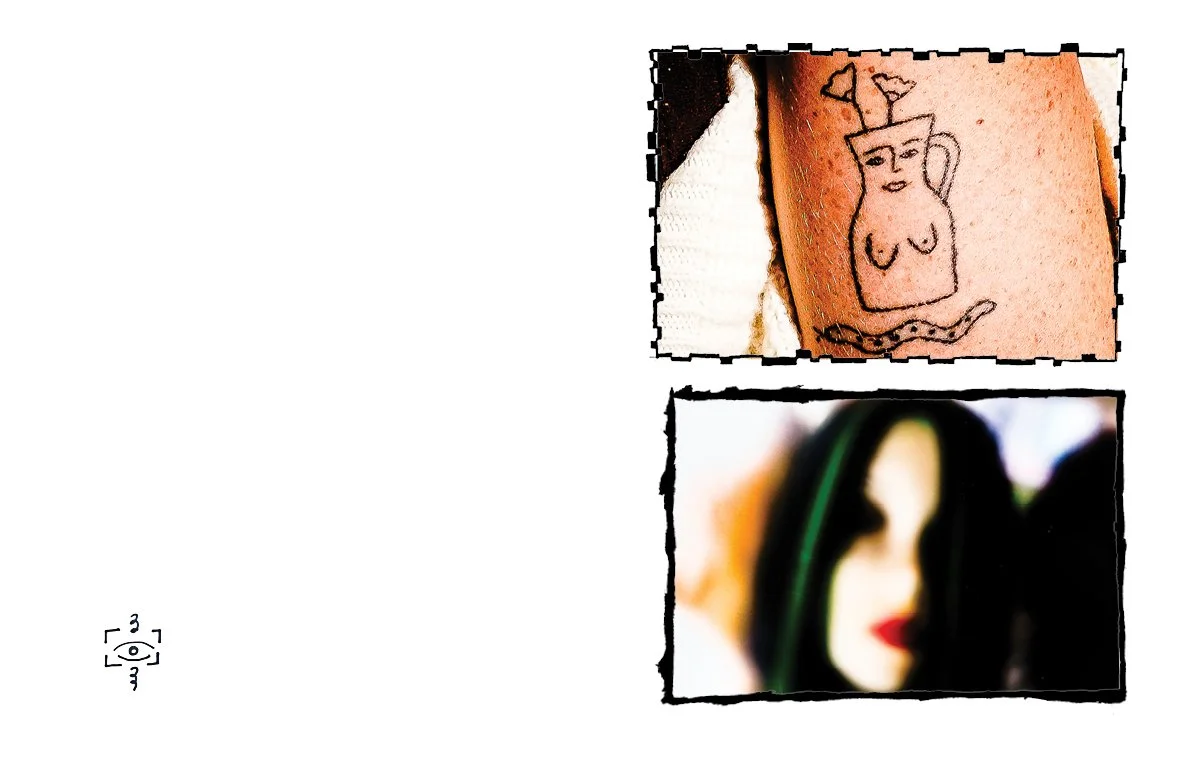 Image 36 of 65
 Image 37 of 65
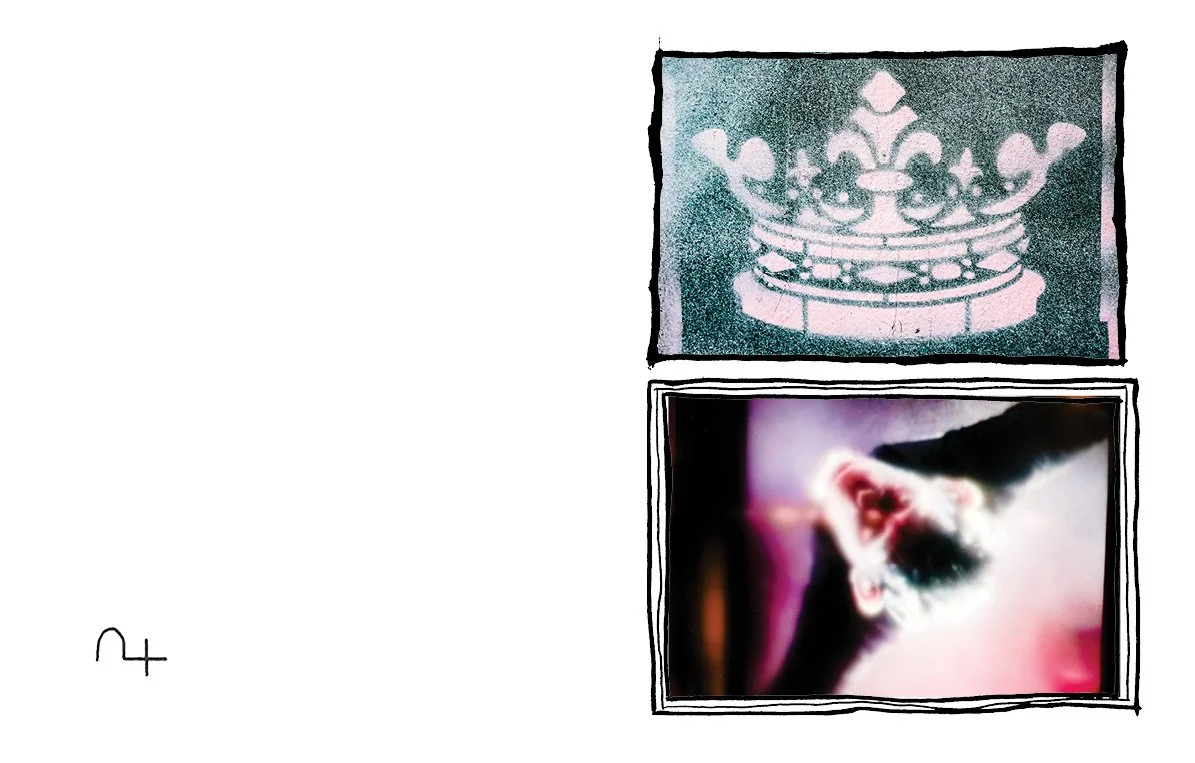 Image 38 of 65
 Image 39 of 65
 Image 40 of 65
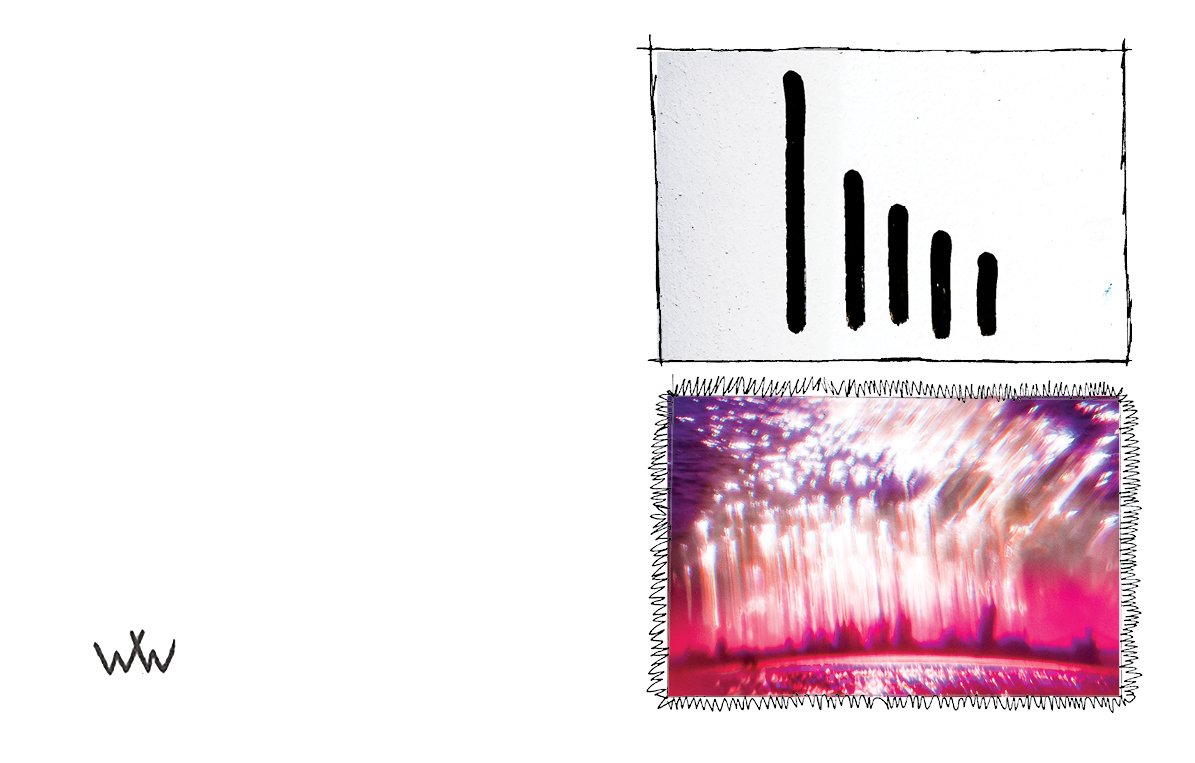 Image 41 of 65
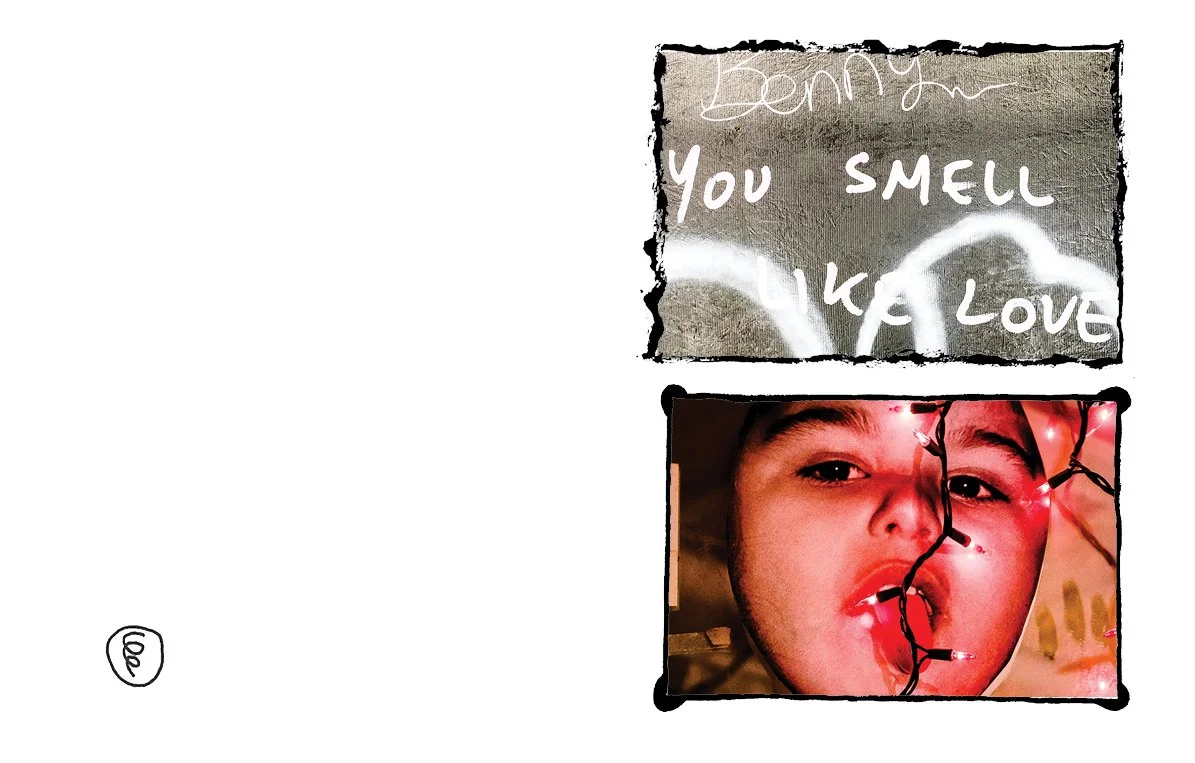 Image 42 of 65
 Image 43 of 65
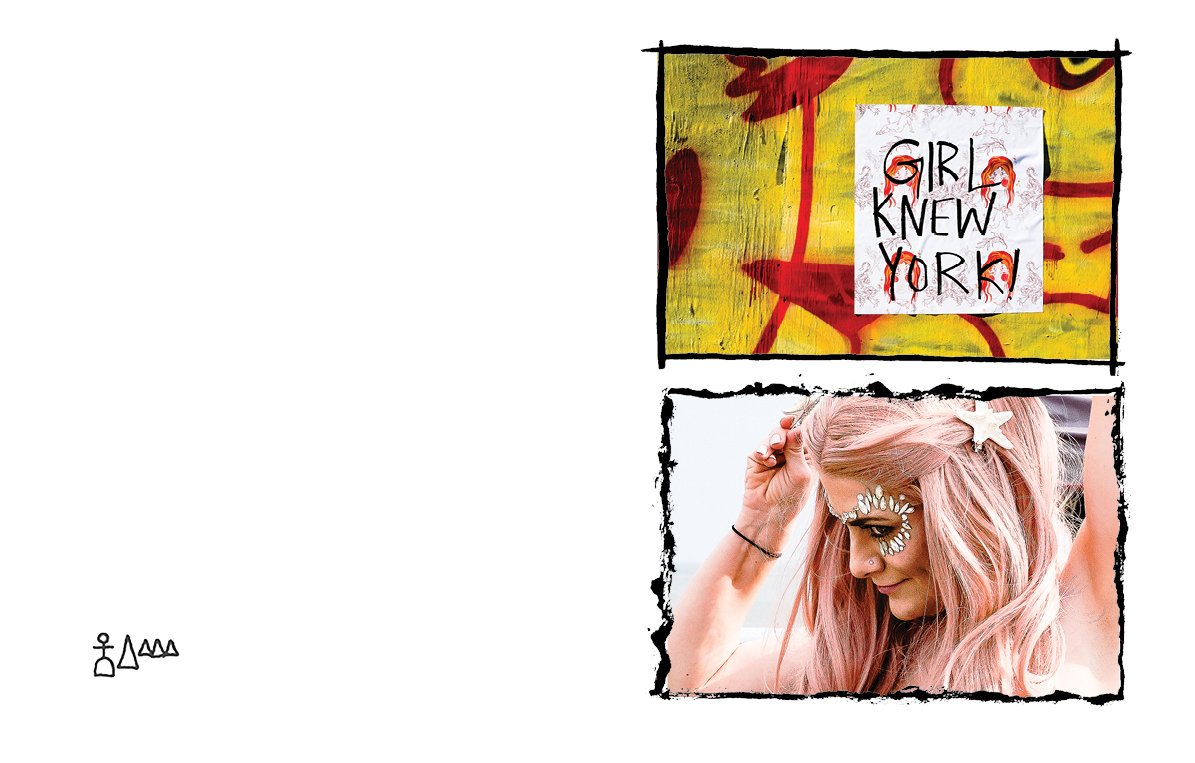 Image 44 of 65
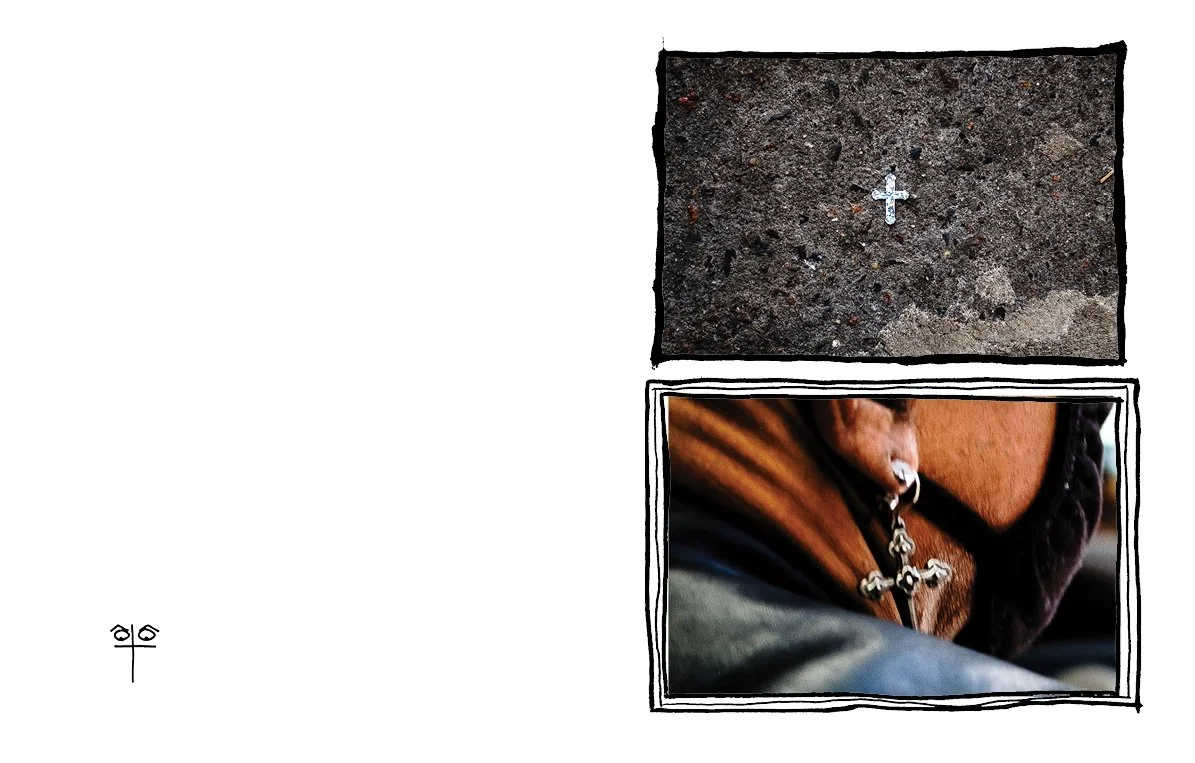 Image 45 of 65
 Image 46 of 65
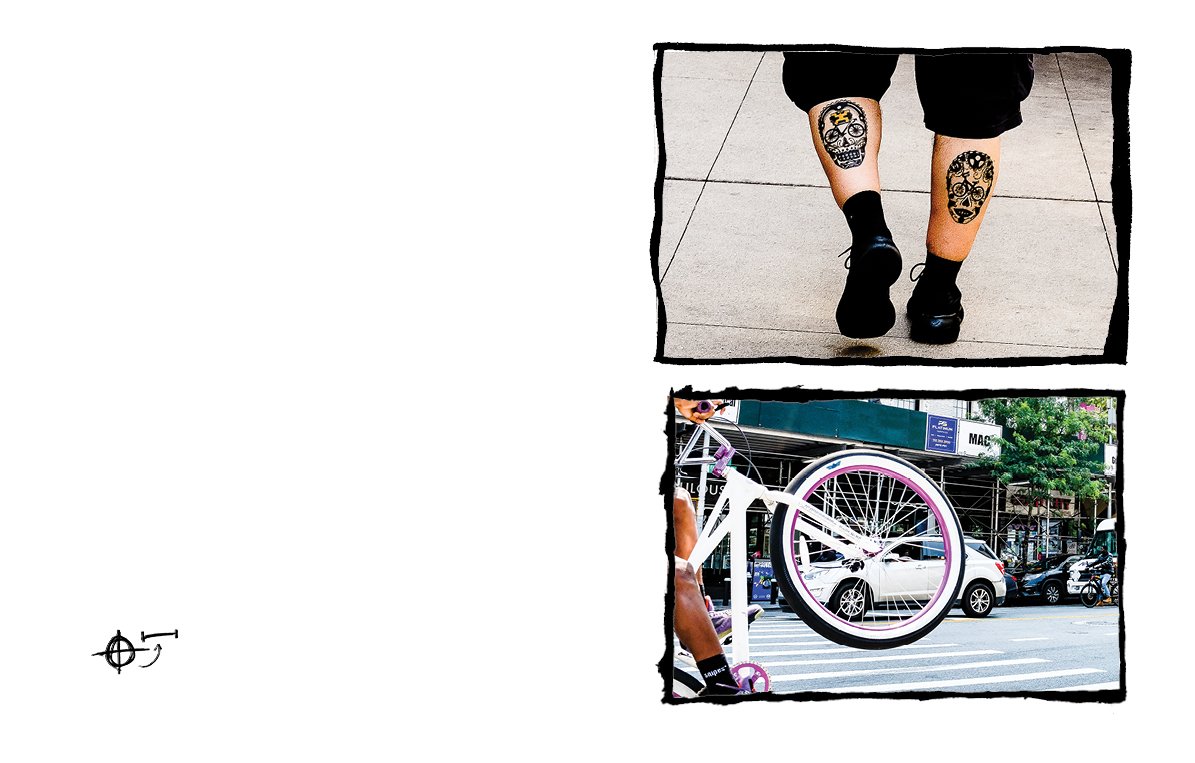 Image 47 of 65
 Image 48 of 65
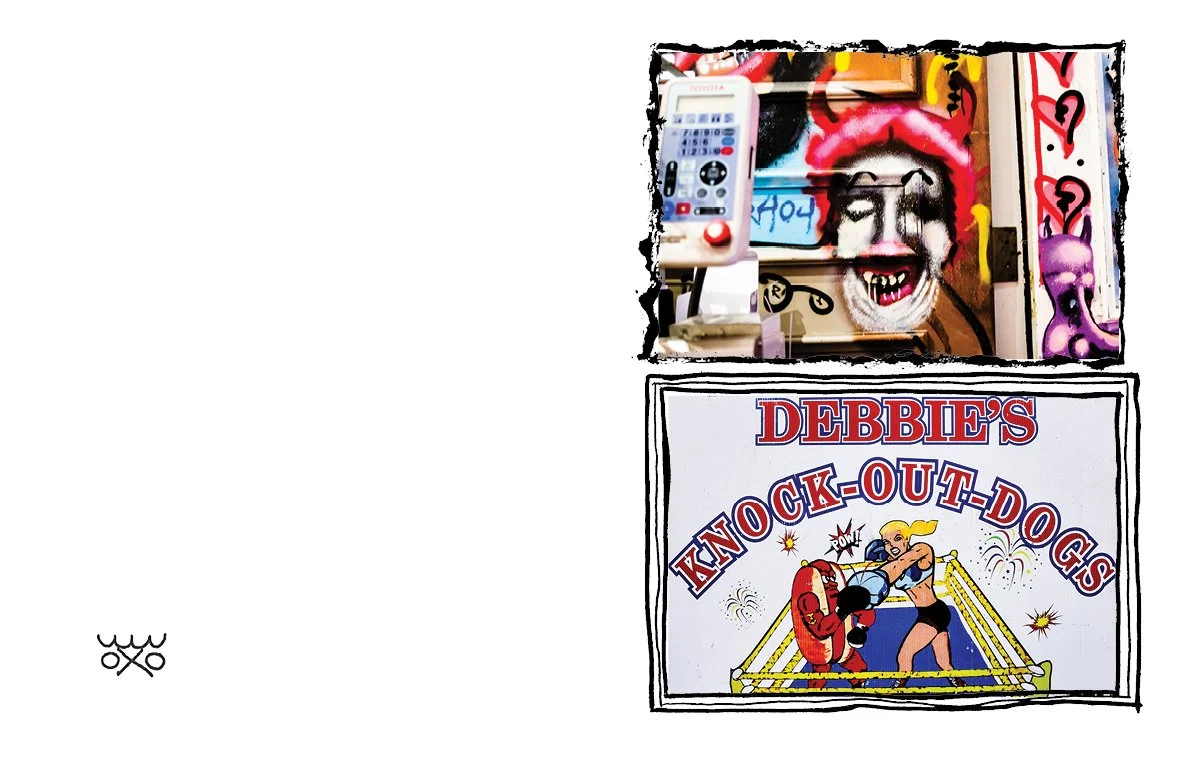 Image 49 of 65
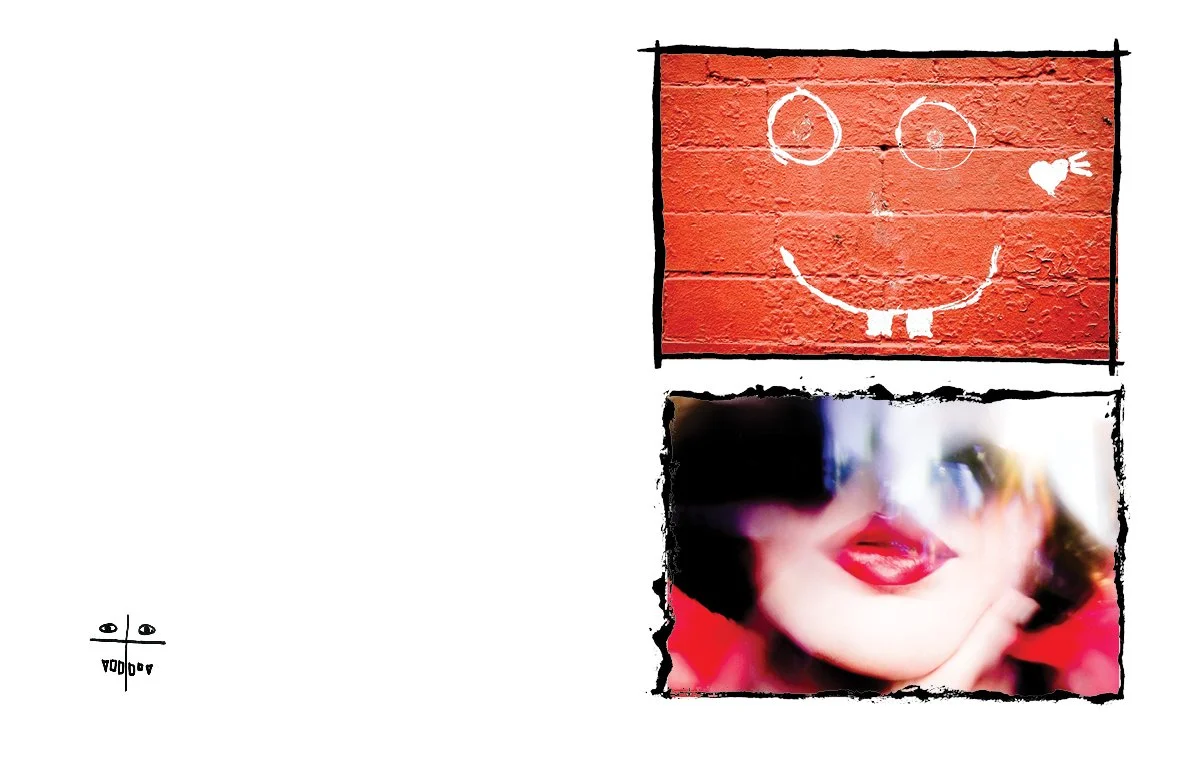 Image 50 of 65
 Image 51 of 65
 Image 52 of 65
 Image 53 of 65
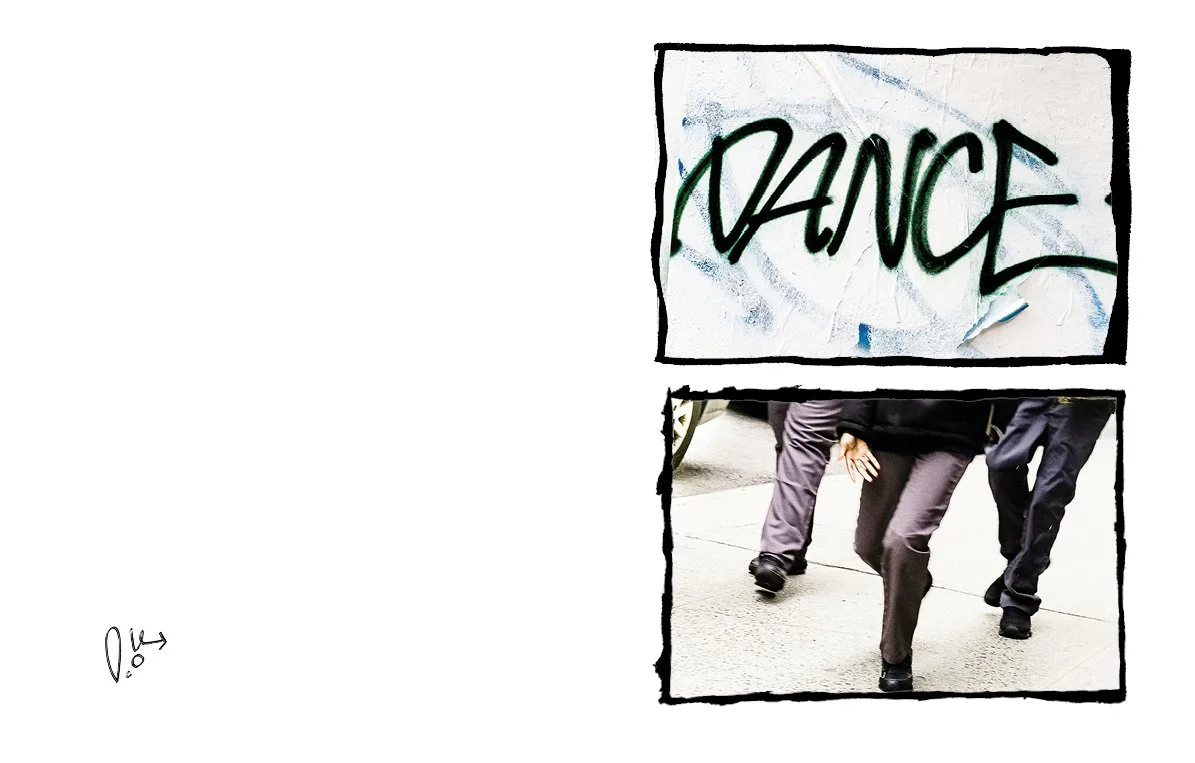 Image 54 of 65
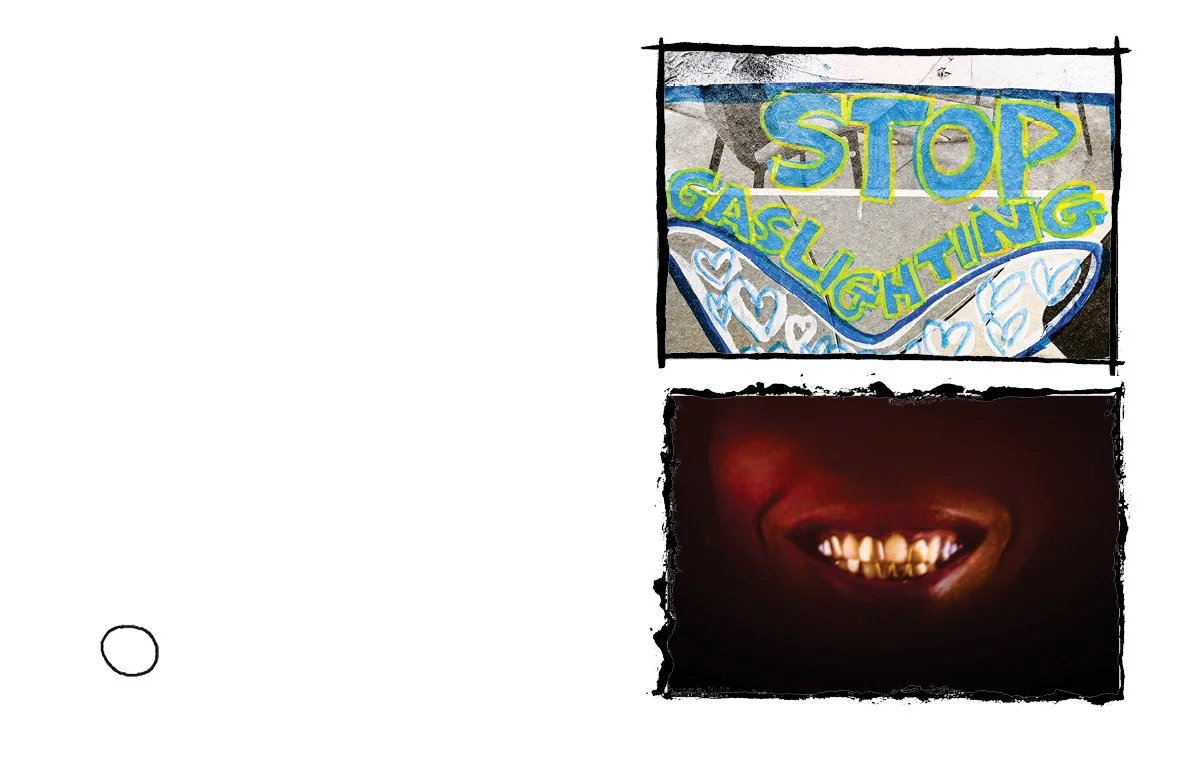 Image 55 of 65
 Image 56 of 65
 Image 57 of 65
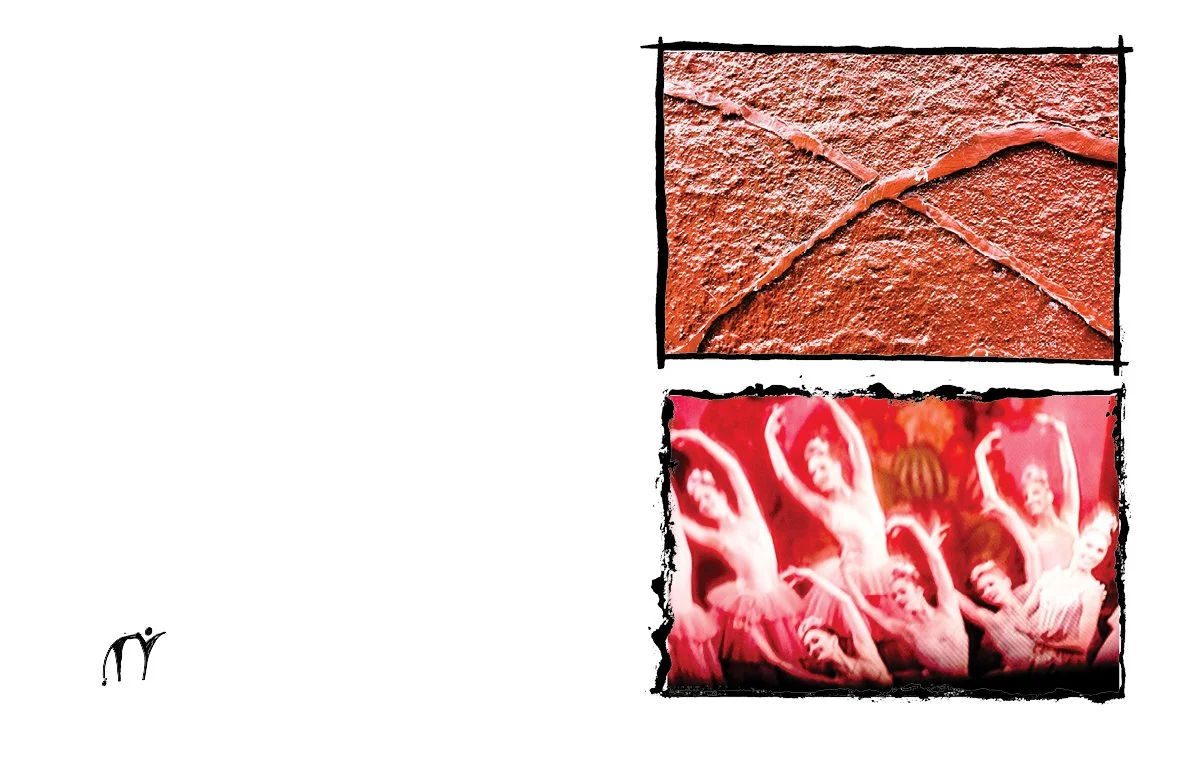 Image 58 of 65
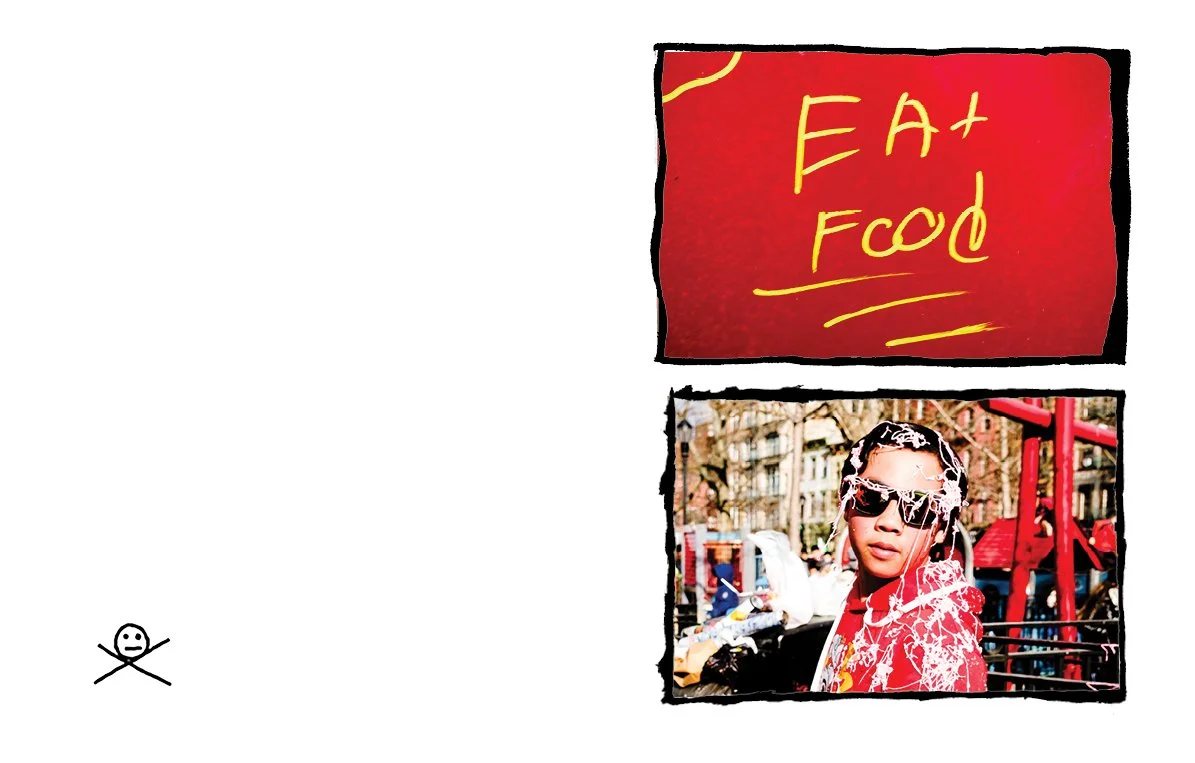 Image 59 of 65
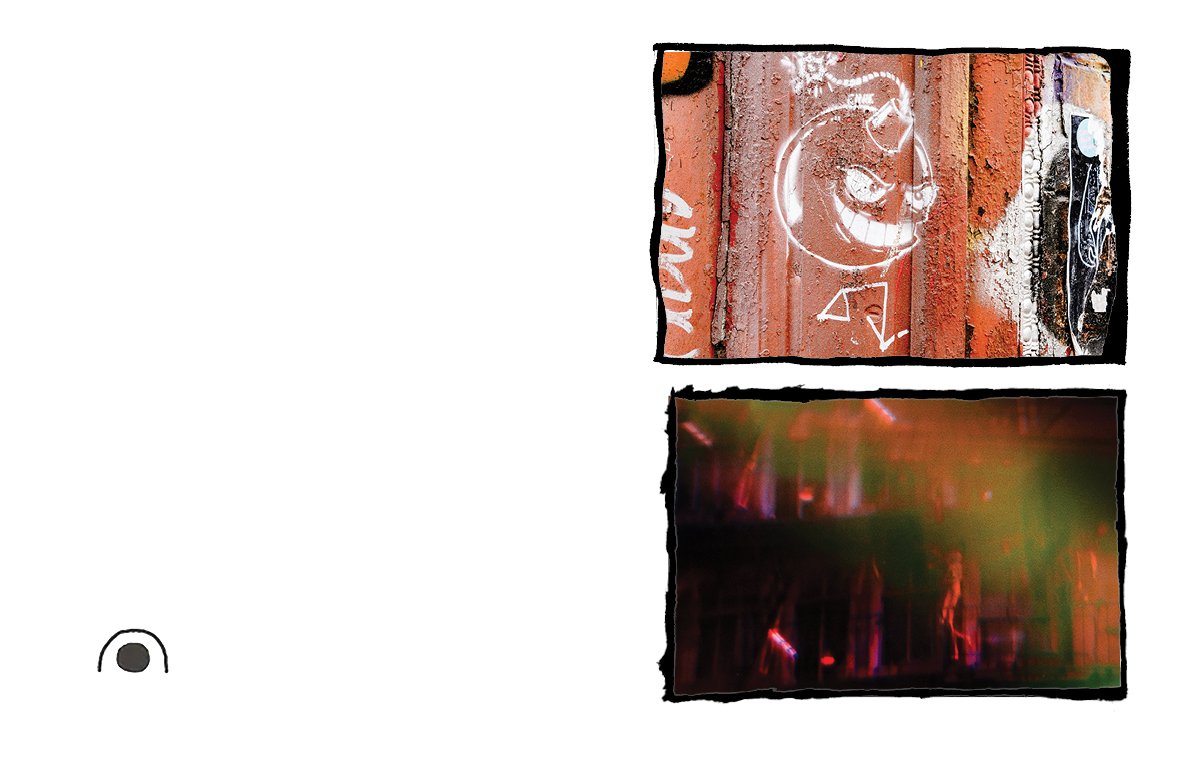 Image 60 of 65
 Image 61 of 65
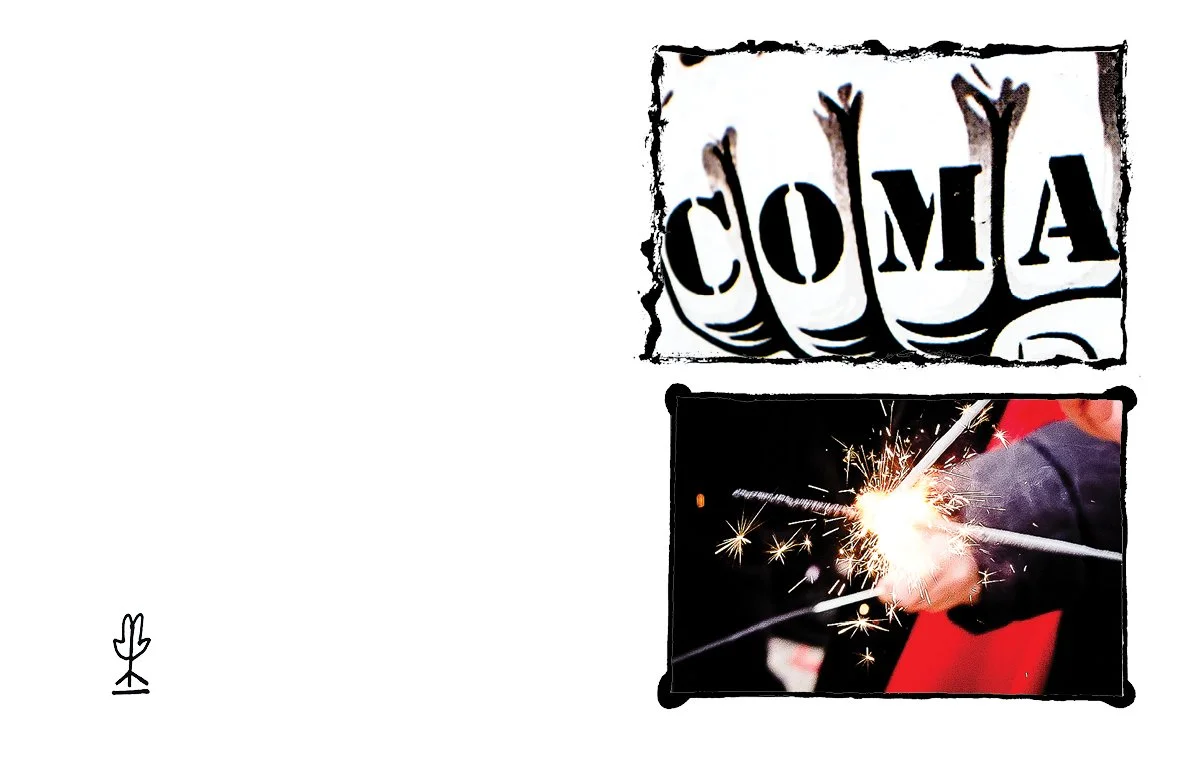 Image 62 of 65
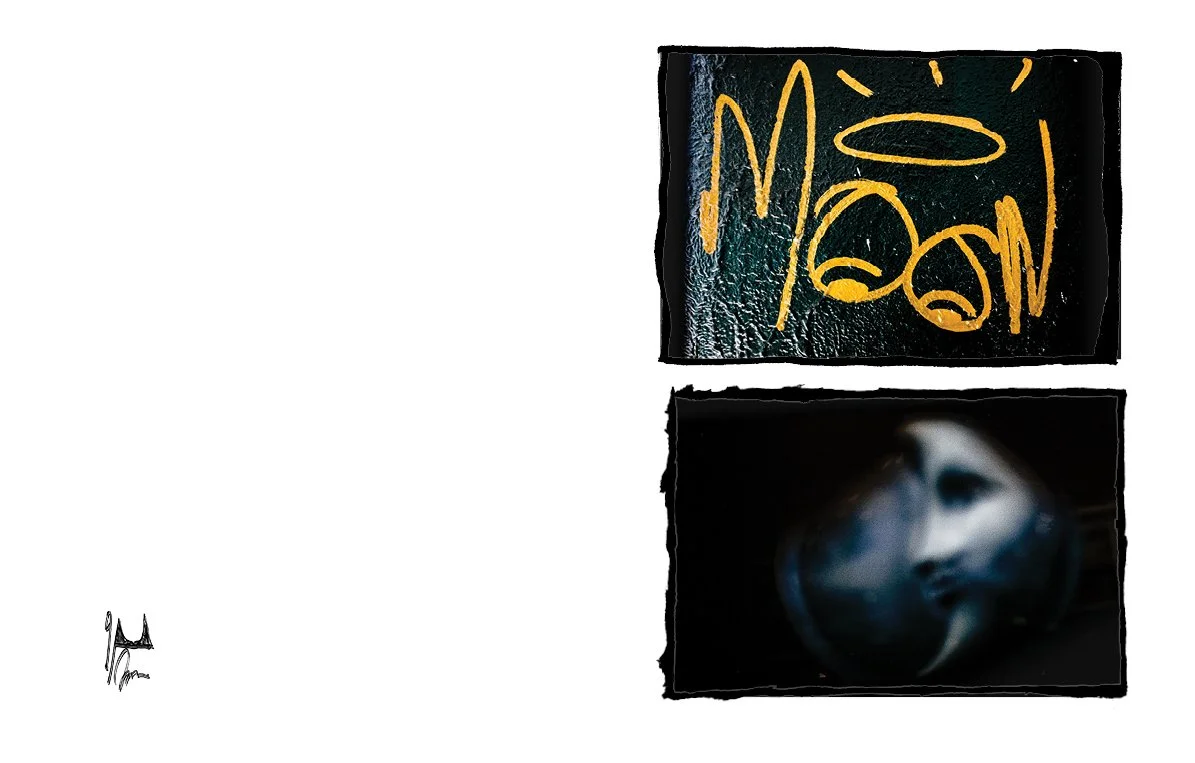 Image 63 of 65
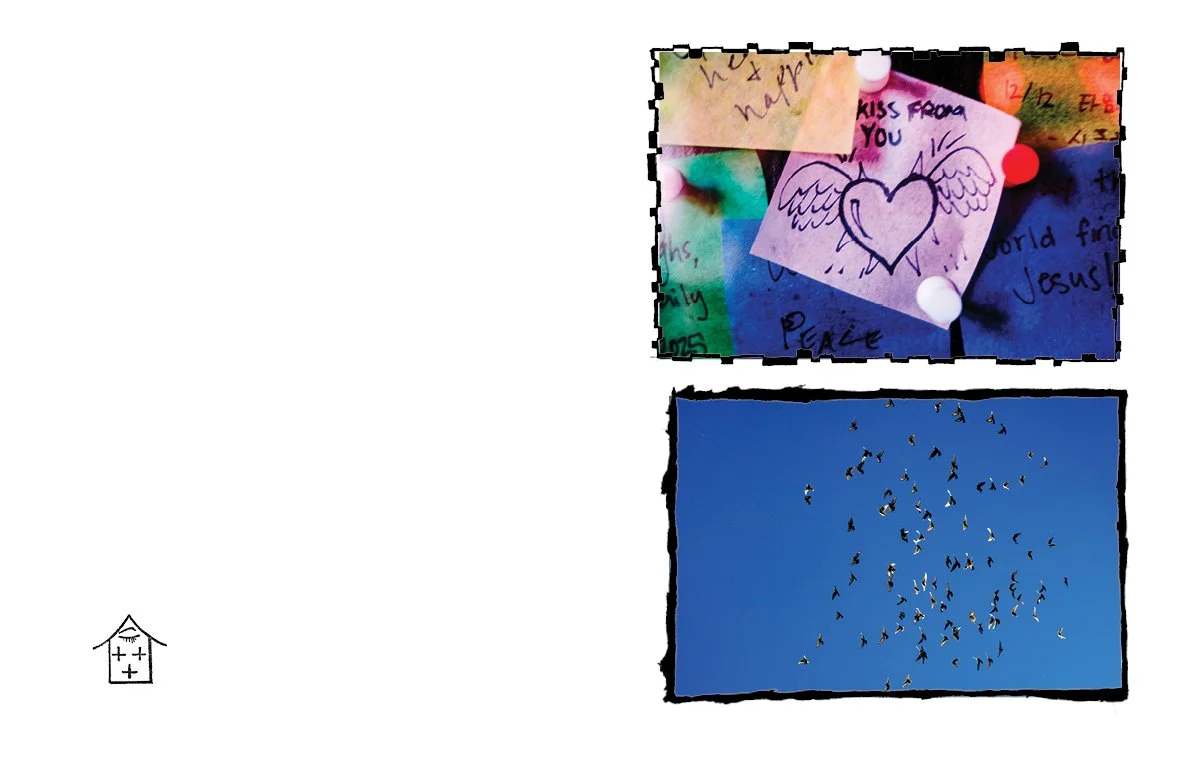 Image 64 of 65
 Image 65 of 65